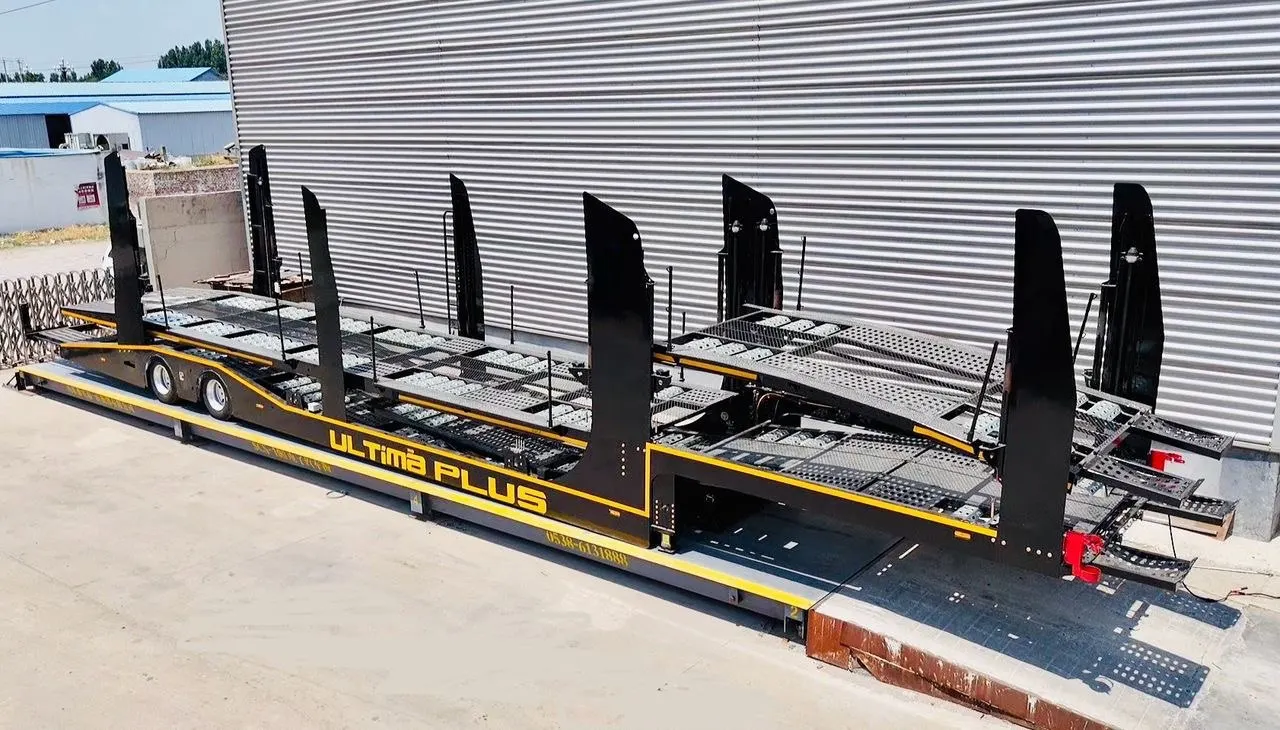
Start with the machine, not a catalogue payload
A useful lowbed specification begins with the transported machine in its actual shipping condition. The buyer should separate operating weight from removable attachments and provide length, width, height, centre-of-gravity information when available, loading method and any requirement for detachable equipment.
Route geometry and tractor interface
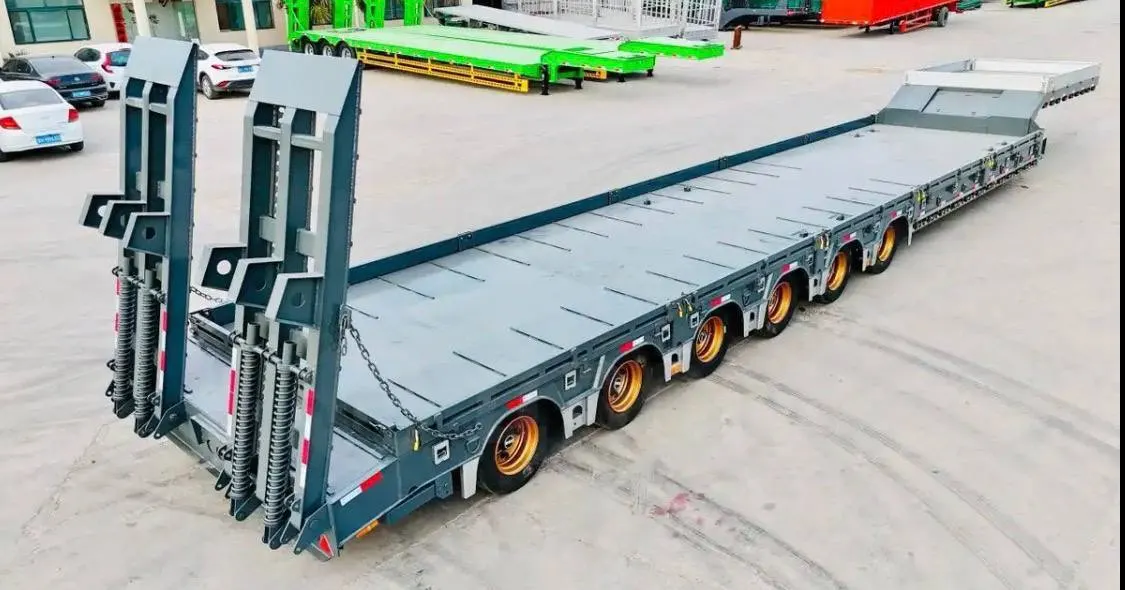
Deck height, ramps, gooseneck layout and axle arrangement cannot be selected from payload alone. Route gradients, ground clearance, turning constraints, bridge or axle limits, tractor fifth-wheel data and the intended loading site should be reviewed before drawings are approved.
Approve deck, axles, suspension and loading equipment together
The quotation should identify the proposed deck geometry, axle and suspension concept, braking scope, tyres, ramps, hydraulic or mechanical functions and component preferences. Unknown values remain open items instead of being presented as confirmed specifications.
Complete trailer, OEM, CKD or SKD
A project can be evaluated as a factory-completed unit, private-label OEM, CKD, SKD or component supply. The selected format depends on the model, quantity, destination, local assembly capability and written allocation of inspection and warranty responsibilities.
Saudi Arabia, Chile and Peru require separate operating briefs
Saudi construction corridors, Chilean mining routes and Peruvian coastal-to-inland equipment movements are not treated as one export configuration. Each buyer confirms cargo, route, tractor, import point and local review criteria before the factory freezes the design.
What a comparable RFQ should contain
Send the company, destination, machine data, route, tractor interface, loading method, quantity and procurement date. A drawing or reference trailer is useful, but the commercial comparison should still state which components, inspection points, shipment format and local responsibilities are included.
Record specification deviations before approving the lowbed
Ask each supplier to return the same drawing revision with a separate deviation list. For every difference, record the requested arrangement, the offered arrangement and the question still awaiting engineering review. Keep proposed deck changes, loading equipment and tractor interfaces visible in that list instead of accepting a general statement that the trailer meets the request. A quotation with unresolved interfaces is a proposal for review, not a frozen build specification. Agree who closes each question before approving production, and attach the final revision to the order.
Separate the transport case from the machine catalogue
A machinery quotation needs the actual shipping configuration: attachments removed or retained, dimensions, weight and loading method. Identify whether the machine can drive onto ramps or needs lifting equipment, and share the tractor and route constraints available to your team. Keep unresolved axle-load, clearance and destination approval requirements visible in the technical review. Before an order, agree the drawing revision, equipment list, inspection scope and handover point. This makes competing offers comparable without treating a nominal payload as approval for a particular journey.
Plan the receipt of detachable lowbed equipment
For a configuration with removable ramps, deck extensions or other detachable equipment, ask how each ordered item will be identified and packed. Confirm which parts arrive installed and which require an agreed assembly step at destination. Give the receiving team the drawing revision, packing references and the supplier instructions applicable to that configuration. Identify the party responsible for unloading and any equipment it must arrange; do not assume these activities are part of the trailer price. Record missing documentation or packing discrepancies before scheduling the first machine move. The handover list supports receipt of the order and does not replace a separate route and loading review.
Confirmed manufacturing framework
Production is based in Jinan, China. Projects can be configured from 12 to 24 metres in length with custom height to the approved specification. MOQ starts from 3 units, and typical production time is approximately 3 weeks after technical and commercial approval.
Components, supply format and control
Axles, suspension, brakes and other components can use Ultima/OEM Chinese solutions or established brands. Every model can be evaluated as a complete trailer, private-label OEM, CKD, SKD or component supply. Agreed inspection points, production photos and final pre-shipment inspection are documented.
Warranty, certificates and logistics
Factory-completed units carry a 12-month warranty on main assemblies. Locally assembled projects do not carry a blanket factory warranty on the finished unit; component and assembly responsibilities are defined in the contract. Certificate documents are available for review and confirmed per destination. Freight and vessel arrangements can be coordinated with logistics partners.