Start with the first operating cycle, not the product name
A useful container chassis project begins with the real first cycle: port drayage, inland container distribution, UAE re-export movement, an Oman corridor or a mixed file that still needs to be separated. The same platform may look acceptable on a product sheet but become commercially weak if the first route, empty-return pattern and loading logic are not documented before the quote is compared.
Separate UAE re-export, Oman corridor and Brazil port work early
A chassis brief for Jebel Ali or another UAE port should state whether the first batch remains in UAE service, supports re-export or works as a dual-purpose fleet line. An Oman file should separate port handling from the inland route and road conditions. A Brazil-linked enquiry should distinguish port transfer from the interior cycle and whether the buyer is comparing container work against lowbed or platform duties. Those are different technical-commercial files and should not share one generic chassis request.
Container matrix, yard routine and tractor data drive the frame choice
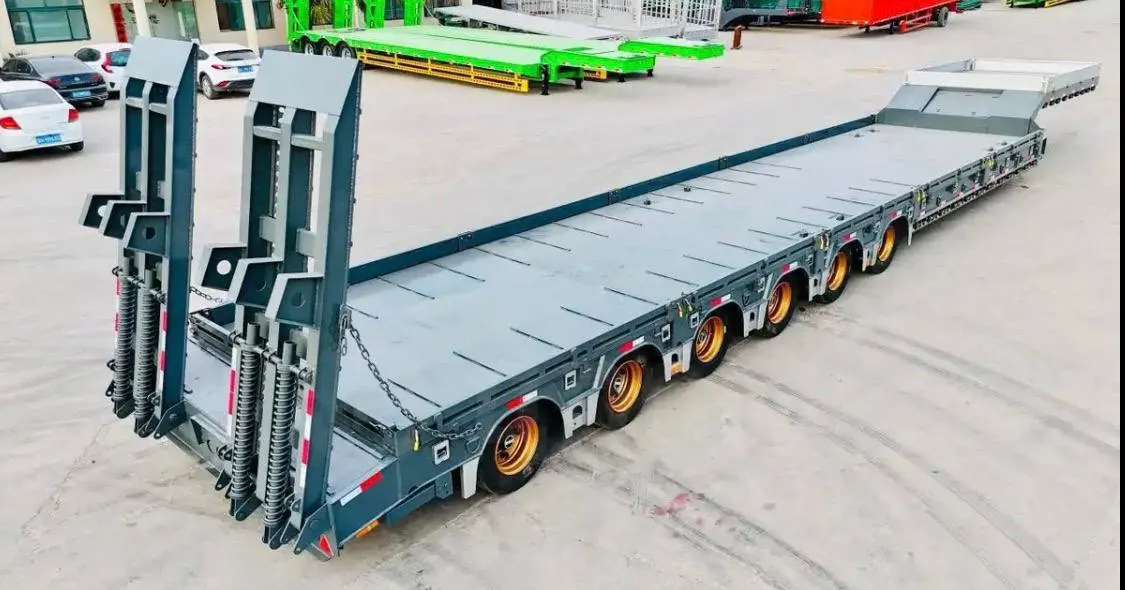
Twenty-foot, forty-foot and mixed-container work can change frame geometry, axle placement, twist-lock logic and operational compromise. The buyer should document container mix, gross-weight assumptions, yard versus highway share, tractor interface, expected utilization and whether the same fleet needs vehicle-loading flexibility. Without that matrix, a chassis quotation risks looking precise while still hiding the most important assumptions.
Dual-purpose scope needs a written duty split
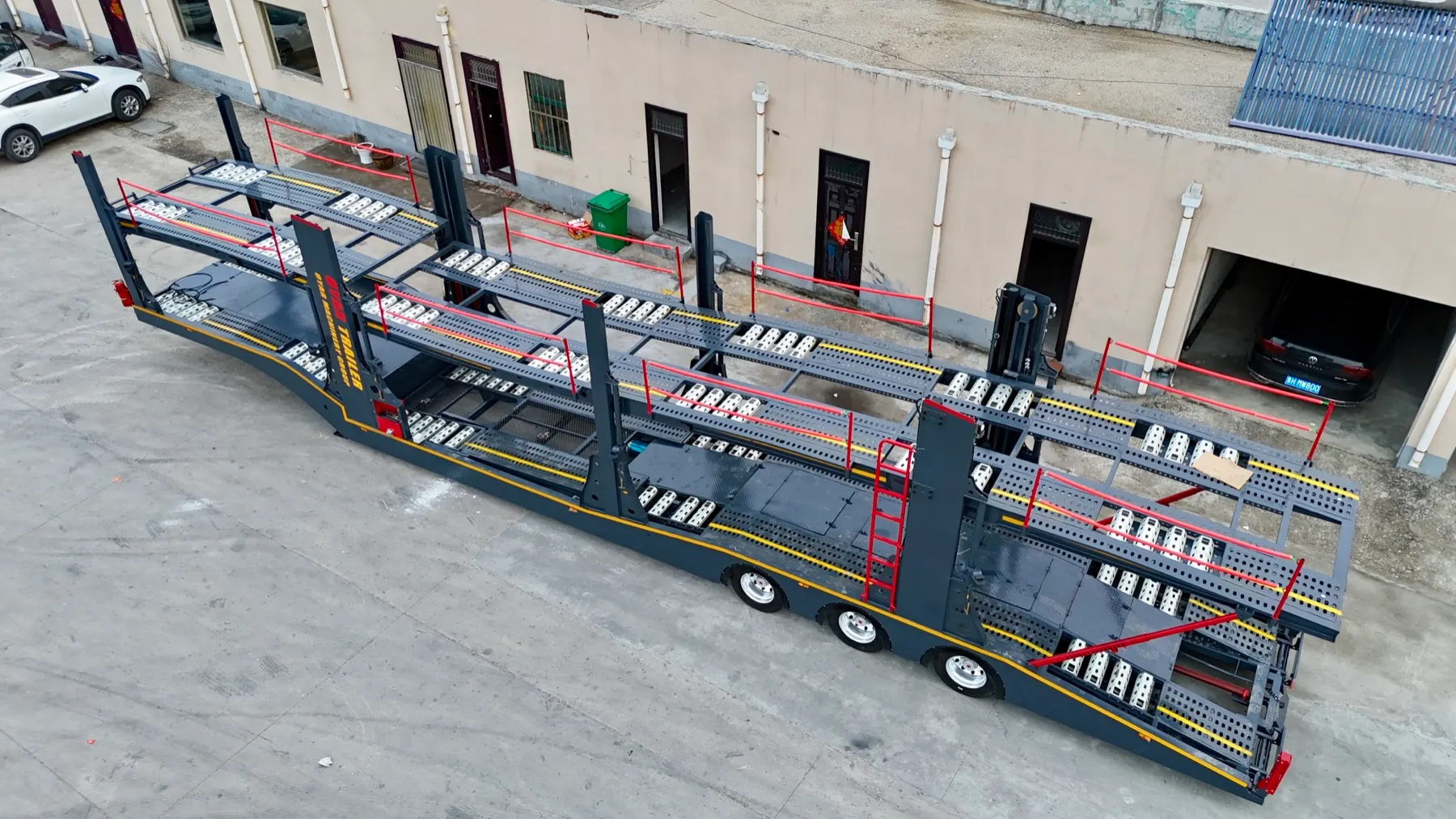
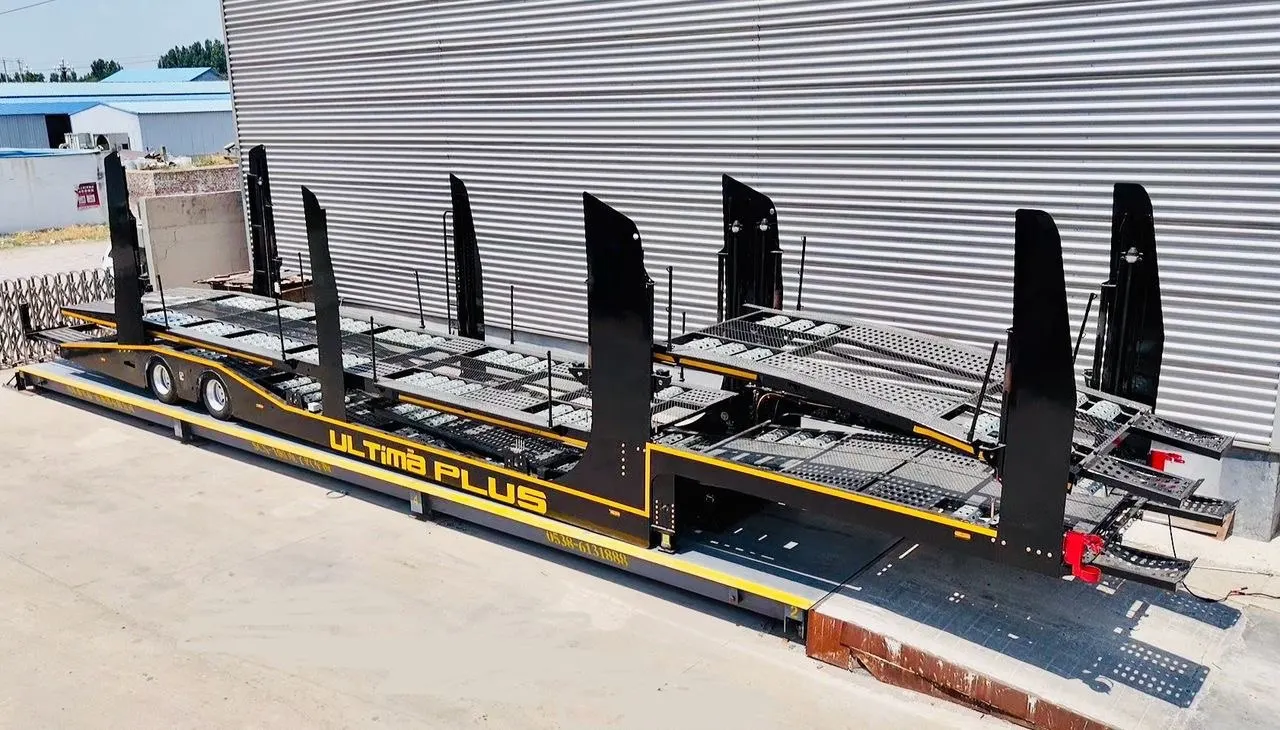
When the same trailer may support both container and vehicle movement, the RFQ should state how often each duty occurs, which loading sequence matters first and whether the chassis is a pilot evaluation or a repeat line. Deck treatment, locking points, loading equipment, maintenance preference and operating limits should be tied to the dominant cycle instead of left as generic feature claims.
Inspection, corrosion exposure and shipping format must match the route
A chassis that lives in repeated port handling, coastal exposure or inland heavy-cycle work needs its inspection points and component review tied to that environment. The buyer should confirm corrosion exposure, maintenance routine, preferred running gear, branding scope, shipping format and whether the first order is a complete unit, OEM, CKD, SKD or component-led package. Destination-country approvals and local compliance remain buyer-controlled confirmations until documented.
Prepare one comparable chassis RFQ before asking for price
The best first file includes port and final operating region, container sizes, gross-weight assumptions, tractor data, empty-return cycle, quantity, timeline and whether the first batch is container-only, dual-purpose or part of a dealer program. It should also list the local review points already confirmed by the buyer and keep twist-lock configuration, tare, payload, registration and destination-side approvals under TODO_OWNER_INPUT until they are verified for that project.
Keep chassis revisions traceable across a mixed fleet
If the order covers several container duties, assign each configuration its own schedule rather than using one generic chassis description. Link the container matrix, tractor data, drawing revision and inspection checklist to that schedule. Ask the supplier to identify any shared components and any differences that affect the agreed operating brief. During review, log a proposed substitution against the affected configuration and request approval before treating it as equivalent. This gives procurement a way to compare offers without assuming that an unchanged product name means an unchanged specification.
Document the delivered lock arrangement for fleet handover
Ask the supplier to identify the lock positions and included fittings on the final drawing for each ordered chassis configuration. Request packing references for any loose or spare components, keeping these separate from installed equipment. At receipt, reconcile the delivered configuration with the approved order rather than relying on a photograph of another chassis in the range. If a lock component or mounting arrangement differs, record the difference against the affected unit and obtain clarification before treating the substitution as accepted. Pass the approved configuration record and applicable operating information to the fleet team, so procurement and operations use the same version of the order.
Confirmed manufacturing framework
Production is based in Jinan, China. Projects can be configured from 12 to 24 metres in length with custom height to the approved specification. MOQ starts from 3 units, and typical production time is approximately 3 weeks after technical and commercial approval.
Components, supply format and control
Axles, suspension, brakes and other components can use Ultima/OEM Chinese solutions or established brands. Every model can be evaluated as a complete trailer, private-label OEM, CKD, SKD or component supply. Agreed inspection points, production photos and final pre-shipment inspection are documented.
Warranty, certificates and logistics
Factory-completed units carry a 12-month warranty on main assemblies. Locally assembled projects do not carry a blanket factory warranty on the finished unit; component and assembly responsibilities are defined in the contract. Certificate documents are available for review and confirmed per destination. Freight and vessel arrangements can be coordinated with logistics partners.